


The traditional work of nonprofit advocacy organizations–and even political candidates–increasingly seems quaint if not ineffectual.
We continue to rely on democratic norms and processes, legislation and regulation for example, that seem irrelevant to people whose lives have been turned upside down by immigration raids, protests, school and business closures, loss of jobs and income, and time spent organizing alongside families and friends to provide simple security to neighbors.
I've been struck in recent weeks and months by the quantity and volume of actions, organizing, and speaking out coming from small businesses. In Minneapolis - in the cold dark depths of winter no less - bike shops, coffee houses, independent restaurants, craft brewers, local news orgs, and bookstores, to name a few, are doing the work.
Most are rarely if ever political. They aren’t organizers. Their efforts are often putting their business at risk. They’re small businesses with tiny margins. That latter bit may be part of this - many have been pushed to a breaking point by chaos and uncertainty.
We’re seeing more than statements. Dave Infante, in VinePair, tells the story of local brewers hosting fundraisers for immigrant rights groups and trainings to help neighbors safely observe and protect their community. That translates into time and money that’s not going into brewing or selling beer.
The Twin Cities beer scene is answering the call of its neighbors, customers, and workers with logistical prowess, cheerful determination, and icy moral clarity. Brewers, bar owners, and union organizers in the cities’ trade are putting business on hold to distribute food, raise money, host activist trainings, and more.
A Minneapolis brunch restaurant turned into a field hospital during regular hours. A bikemaker is making donations to immigrant rights groups and organizing phone calls to Congress.
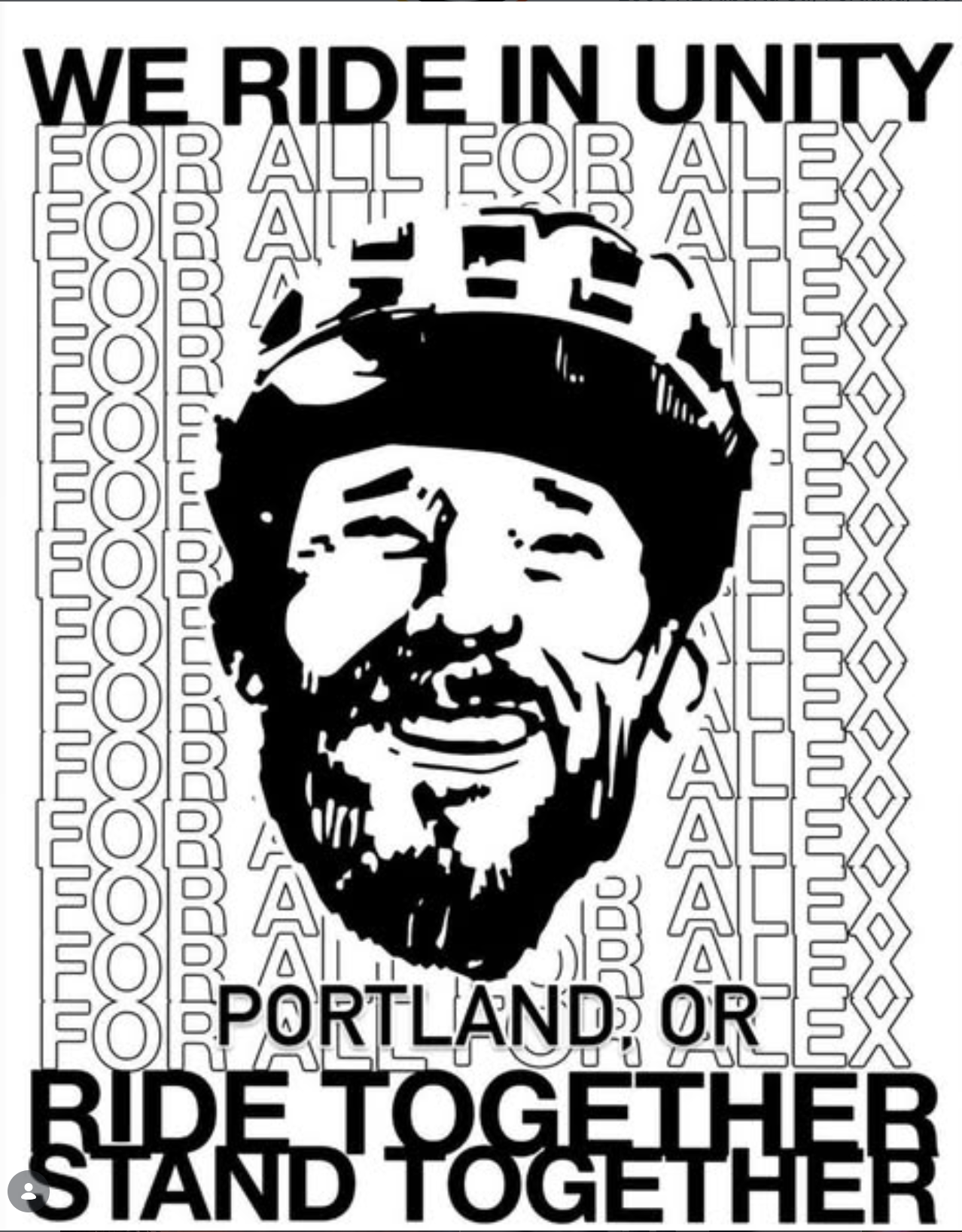
Bike shops all over the country have been organizing community rides in honor of Alex Pretti.
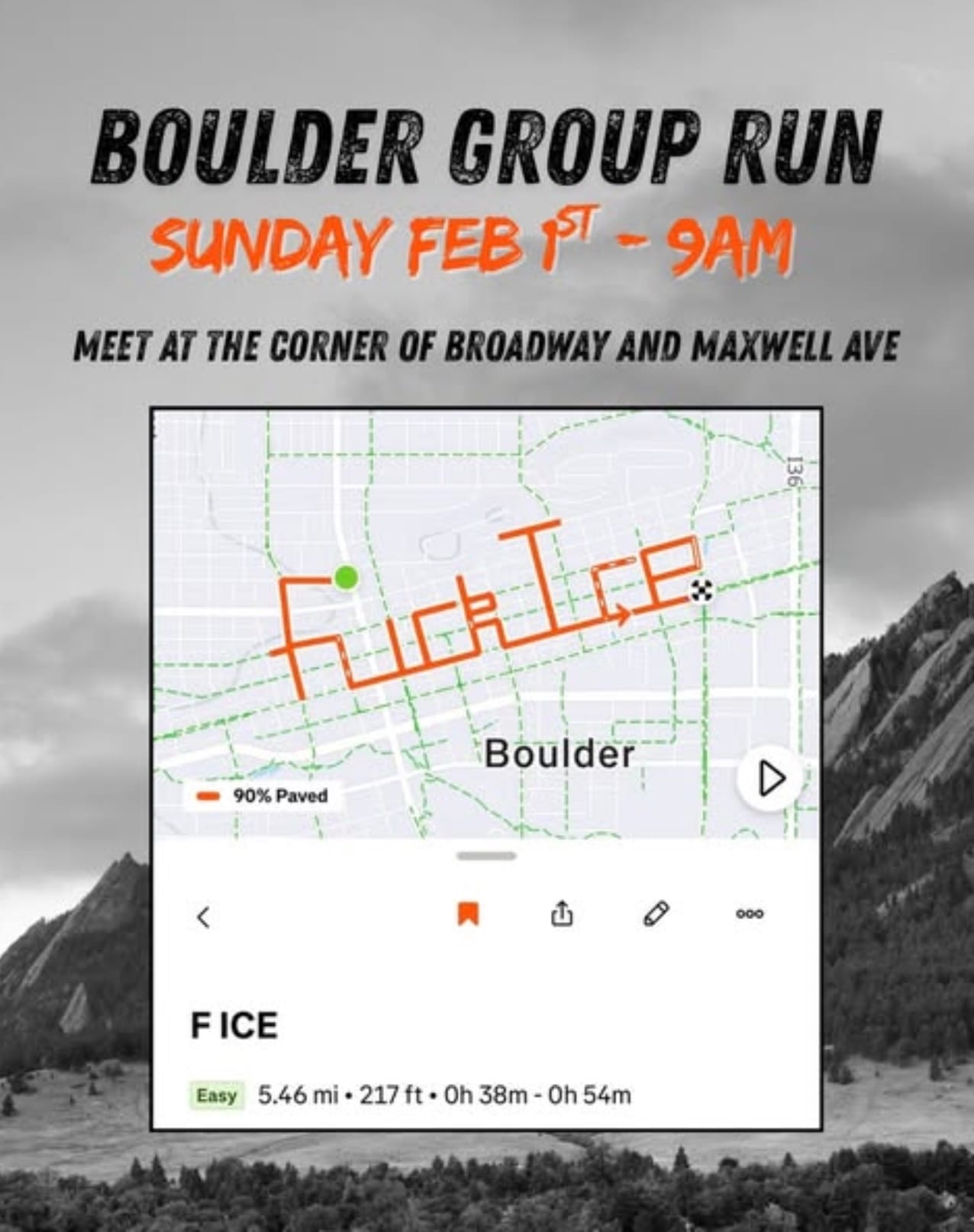
A Colorado runner put together a Sunday morning run that, in only a few days, turned out over 1,000 people to run a route that spells, well, you can read it for yourself.
Waiting is another word for left behind
Meanwhile, advocacy organizations focused on other issues–the environment and climate, public health, education, and more–have been struggling to keep up with myriad executive orders, regulation changes, and budget uncertainty.
Perhaps that’s why few have made statements about attacks on democracy, rule of law, and the safety of communities. Fewer still have offered direct support like training, organizing, and outreach to support immigrant rights, civil society, and democracy.
Some leaders may wonder if statements are enough. Or even how and what to say. For those that are, Liz Banse at Resource Media put together a useful guide to writing a public statement that calls leaders to account.
In this moment of profound turmoil, we urge leaders across the nonprofit, philanthropic, government, and corporate sectors to publicly denounce the escalating violation of human and civil rights in Minnesota and beyond. Silence in this moment is not neutral. It poses both immediate and lasting consequences.
–Liz Banse, Resource Media
I also want to call out a piece from Ben Passer at the McKnight Foundation: Lessons from Minnesota: To Preserve Our Planet, We Must Also Preserve Our Democracy
Ben, writing from a Minnesota-based foundation that supports community organizing and climate action, may be uniquely positioned to make connections between protecting democracy, community-led organizing in the face of authoritarian attacks, and any chance of achieving a healthy, just climate for all.
In part, Liz and Ben are helping answer questions every leader has: where do organizations even start? And aren’t we here to do the work that’s in the plan, that the board approved, and funders paid for?
That includes work that probably doesn’t do things like train people to protect community democracy or keep neighbors from being grabbed off the street.
Ben writes...
But this moment calls on us to push beyond self-preservation and fears of “mission creep.” …
The evidence is all around us. We can and should do better. Future generations will remember not only what we did to protect our environment, but also what we did to protect our neighbors and the freedoms we too often take for granted.
One can only hope that McKnight and myriad other funders and donors step forward to grant organizations the grace, leadership, and resources urgently needed if they're going put their teams, missions, and budgets on the line.
We aren't guaranteed the tomorrow we expected
America, and Americans, are picking up a lesson that is better known in other parts of the world:
A civil society that ensures dignity, equity, and opportunity is as much or more a system of norms as it laws. Our laws can be changed or ignored by those who choose lies and violence as norms.
When large institutions like governments fail people turn to smaller institutions like NGOs, community organizations, the press, and neighbors. Not every NGO or community organization is ready or suited to the task.
It is not institutions offering us hope for tomorrow. It's the neighbors, small business owners, and people who are talking to neighbors and self-organizing.
The institutions, from government agencies to political parties to nonprofit organizations, are, well, acting with an institutional brain. They expect to weather the changes and continue on as before. Many will not continue as before.
Those that come out on the other end of this will be those who step out of the office, show their face, earn trust instead of expecting it, and get to work asking communities what they need - and then delivering.
This is not a simple or safe time to lead. We're being asked to consider, prepare for, and make decisions that could affect the future of our organizations, the jobs of our teams and selves, and even the safety of our staff and their families and neighbors. If you expect a return to normal then by all means keep on doing what you've been doing.
But I think we're seeing that people–on the ground, on our lists, among our supporters– recognize that more is needed. It's time to recognize that and be there with them.